
Capacity Yard Trucks: Improving Distribution Center Efficiency
Modern distribution centers are under more pressure than ever.Faster delivery expectations, labor shortages, tighter shipping windows, and growing supply chain demands are forcing warehouse and logistics operations to find smarter ways to improve efficiency without sacrificing safety or uptime.
One area where many facilities are finding major operational gains is in yard management. Moving trailers quickly and efficiently throughout a warehouse yard can dramatically impact loading times, dock productivity, driver utilization, and overall throughput.
That’s where Capacity yard trucks come in.
Also known as terminal tractors or yard spotter trucks, Capacity yard trucks are purpose-built to streamline trailer movement within distribution centers, cold storage facilities, and logistics hubs. Designed for durability, visibility, and rapid trailer handling, these vehicles help operations keep freight moving efficiently while reducing congestion and downtime.
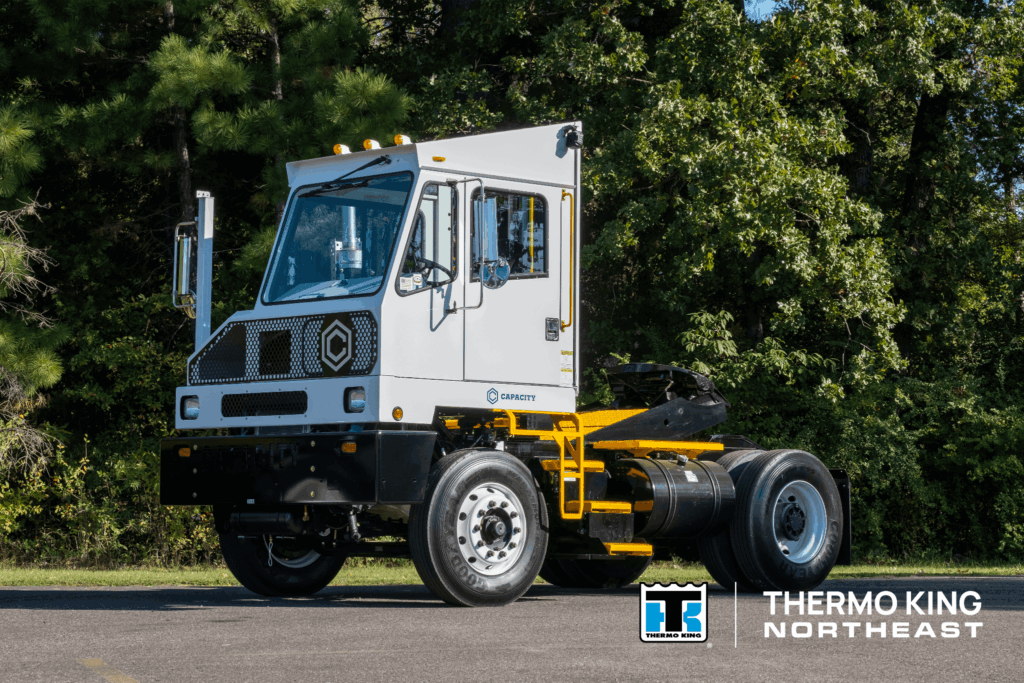
What Are Capacity Yard Trucks?
Capacity yard trucks are specialized terminal tractors designed specifically for moving semi-trailers within a warehouse yard, distribution center, or industrial facility. Unlike over-the-road tractors, yard trucks are built for frequent stopping, trailer repositioning, and short-distance hauling.
These vehicles are commonly used in:
- Distribution centers
- Cold storage facilities
- Food and beverage warehouses
- Retail logistics hubs
- Manufacturing facilities
- Intermodal operations
- Port terminals
Because they are engineered specifically for yard operations, Capacity Trucks provide faster trailer handling, improved maneuverability, and greater operational efficiency compared to using standard road tractors for the same tasks.
Common Distribution Center Challenges
As shipping volumes continue to increase, many distribution centers face similar operational bottlenecks that impact productivity and profitability.
Trailer Congestion
Busy yards can quickly become overcrowded when trailers are not moved efficiently between docks, staging areas, and storage zones. Congestion slows loading times and creates unnecessary delays throughout the supply chain.
Dock Delays
When trailers are not positioned quickly enough, loading docks sit idle. This creates a ripple effect that impacts warehouse labor productivity, outbound scheduling, and transportation timelines.
Driver Inefficiency
Using over-the-road drivers for yard spotting tasks can pull valuable resources away from long-haul transportation responsibilities. Yard-specific equipment allows fleets to better allocate personnel and improve operational flow.
Cold Chain Timing Pressures
For refrigerated freight operations, delays in trailer movement can directly affect temperature-sensitive cargo. Food, pharmaceuticals, and perishable products all require consistent handling and minimized downtime.
Rising Operating Costs
Fuel consumption, equipment wear, and maintenance costs all increase when facilities rely on inefficient trailer movement processes.
How Capacity Yard Trucks Improve Efficiency
Capacity yard trucks are designed to solve many of these operational challenges while helping facilities increase productivity across the yard.
Faster Trailer Movement
One of the biggest advantages of a dedicated yard truck is speed.
Capacity terminal tractors feature quick hook-and-release systems that allow operators to connect and disconnect trailers rapidly. This significantly reduces trailer transition times and improves dock turnaround.
By moving trailers faster, facilities can:
- Reduce idle dock time
- Improve loading efficiency
- Increase daily trailer throughput
- Keep warehouse operations moving smoothly
For high-volume distribution centers, even small improvements in trailer movement speed can create substantial operational gains over time.
Improved Yard Organization
Efficient trailer positioning is critical for maintaining a smooth workflow across large facilities.
Capacity yard trucks help operators:
- Organize staging areas more effectively
- Reduce yard congestion
- Improve trailer accessibility
- Support better dispatch coordination
A more organized yard also improves visibility for drivers and warehouse teams, helping reduce delays and operational confusion during peak periods.
Lower Operational Costs
Using a dedicated yard truck instead of a road tractor for trailer spotting tasks can help reduce operating expenses in several ways.
Benefits may include:
- Lower fuel consumption
- Reduced wear on over-the-road fleet vehicles
- Less maintenance on long-haul tractors
- Improved labor efficiency
- Reduced downtime
Because Capacity Trucks are engineered specifically for yard operations, they are designed to withstand constant stop-and-go movement while maintaining long-term durability.
Enhanced Driver Safety and Visibility
Safety is always a top priority in busy warehouse environments.
Capacity yard trucks are designed with:
- Elevated driver visibility
- Ergonomic cab layouts
- Tight turning capabilities
- Simplified trailer handling systems
Improved visibility helps operators navigate crowded yards more safely while reducing the risk of accidents involving trailers, docks, pedestrians, or equipment.
Additionally, the ergonomic design of modern terminal tractors can help reduce operator fatigue during long shifts.
Increased Productivity During Peak Demand
Seasonal surges and high-volume shipping periods place enormous pressure on warehouse operations.
Whether managing holiday retail demand, food distribution spikes, or pharmaceutical logistics, Capacity yard trucks help facilities maintain operational efficiency during busy periods by keeping trailers moving consistently throughout the yard.
For operations handling refrigerated freight, minimizing delays becomes even more critical.
Why Capacity Yard Trucks Are Ideal for Cold Chain Logistics
Cold chain operations depend on timing, consistency, and equipment reliability. Delays in trailer movement can impact product quality, compliance requirements, and delivery schedules.
Capacity yard trucks help refrigerated operations improve efficiency by:
- Reducing reefer trailer dwell time
- Supporting faster dock turnover
- Improving trailer staging efficiency
- Minimizing loading delays
- Keeping temperature-sensitive products moving
For food distributors, grocery suppliers, pharmaceutical companies, and refrigerated warehouse operators, efficient yard management plays a critical role in maintaining cold chain integrity.
When paired with reliable transport refrigeration systems and preventative maintenance programs, dedicated yard trucks become an important part of an optimized cold chain strategy.
Choosing the Right Yard Truck for Your Operation
Not every distribution center has the same operational requirements. Choosing the right yard truck depends on several factors, including facility size, trailer volume, operating schedules, and fleet goals.
When evaluating a yard truck solution, businesses should consider:
Facility Size and Layout
Large distribution centers with multiple staging zones may require higher-capacity yard fleets or specialized maneuverability features.
Trailer Volume
Facilities moving high trailer volumes each day benefit significantly from dedicated spotting equipment designed for continuous operation.
Fuel Type and Sustainability Goals
Many operations are evaluating electric yard truck options as part of broader sustainability initiatives. Diesel-powered models may still offer advantages for certain high-demand applications.
Maintenance and Service Support
Reliable uptime is critical. Partnering with an experienced service provider helps ensure ongoing maintenance, repairs, and parts support are readily available when needed.
Operator Comfort and Safety
Features that improve visibility, ergonomics, and ease of operation can improve both productivity and driver retention.
Partner with Thermo King Northeast for Capacity Yard Truck Solutions
At Thermo King Northeast and DeVivo Truck & Trailer, we understand the challenges modern distribution and cold chain operations face every day.
That’s why we offer Capacity yard truck solutions designed to help businesses:
- Improve trailer handling efficiency
- Reduce operational downtime
- Increase yard productivity
- Support cold chain logistics operations
- Optimize fleet performance
In addition to Capacity Trucks, our team also supports refrigerated transportation solutions, fleet service programs, preventative maintenance, and equipment support throughout the Northeast.
Whether you operate a large distribution center, refrigerated warehouse, food service fleet, or logistics hub, our team can help identify the right yard truck solution for your operation.
As supply chains continue to evolve, efficient yard management is becoming increasingly important for distribution centers and logistics operations.
Capacity yard trucks provide a practical solution for improving trailer movement, reducing congestion, increasing safety, and supporting higher productivity across busy warehouse environments.
For companies focused on cold chain logistics, faster trailer handling can also help protect temperature-sensitive freight while improving overall operational performance.
Investing in the right yard equipment today can help position your operation for greater efficiency, scalability, and reliability in the future.
FAQs
Q: What is a yard truck?
A: A yard truck, also called a terminal tractor or spotter truck, is a specialized vehicle designed to move trailers within a warehouse yard or distribution center.
Q: How do yard trucks improve distribution center efficiency?
A: Yard trucks improve efficiency by speeding up trailer movement, reducing dock delays, improving yard organization, and increasing overall productivity.
Q: What industries use Capacity yard trucks?
A: Capacity yard trucks are commonly used in distribution centers, cold storage facilities, food distribution, retail logistics, manufacturing, and intermodal transportation operations.
Q: Are yard trucks useful for refrigerated trailer operations?
A: Yes. Yard trucks help refrigerated operations reduce loading delays, improve trailer staging, and maintain cold chain efficiency.
Q: What is the difference between a yard truck and a road tractor?
A: Road tractors are designed for highway transportation, while yard trucks are specifically engineered for short-distance trailer movement within industrial yards and warehouse facilities.